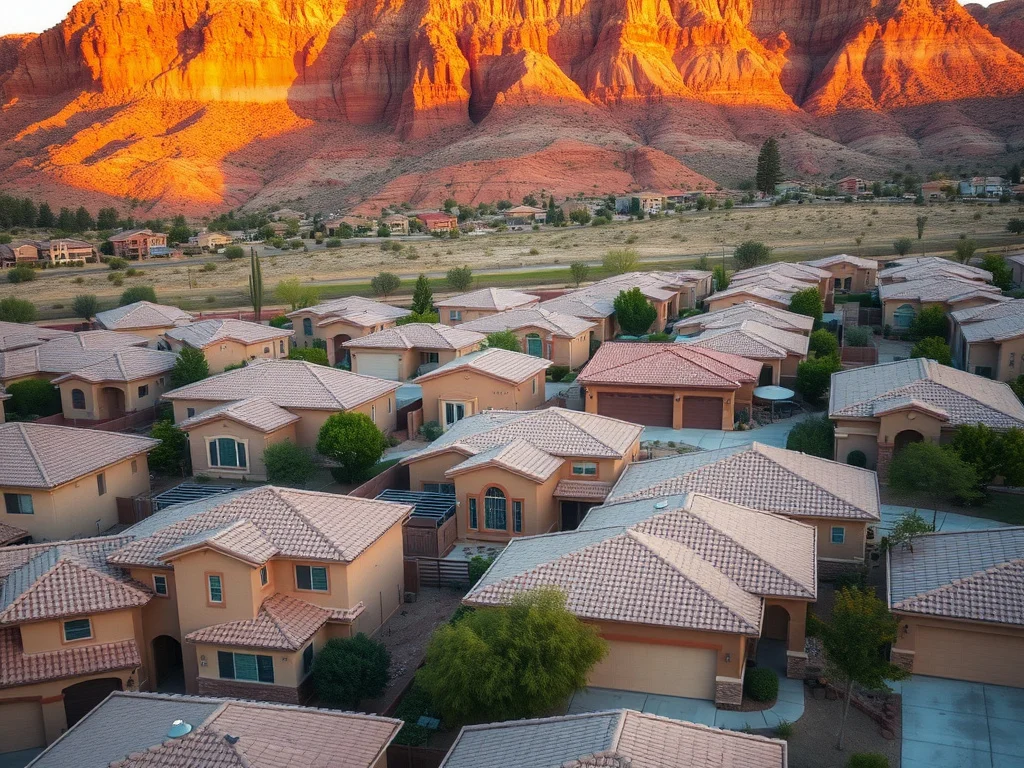
Two Climates. One Attic Problem.
A 140°F St. George attic and a snow-loaded Cedar City roofline aren't the same problem — but they're both fixed by insulation built for the climate you're actually in, not a one-size-fits-all script. We build for both, correctly.
Two zones, quantified
The numbers that define what a Washington County home and a Cedar City home each actually need.
St. George bakes. Cedar City freezes. We build for both.
St. George, Washington City, Hurricane, Santa Clara, and Ivins sit in hot-dry IECC Climate Zone 3B, where summer highs top 100–105°F and an under-sealed attic can hit 130–150°F, driving cooling bills up from Memorial Day through September. Cedar City and Enoch sit nearly 3,000 feet higher in a genuinely different, real four-season climate — cold winters, roughly 171 inches of snow a year, and a heating season that dominates energy use the way cooling does in the desert corridor.
We install the full range — spray foam, blown-in, and attic upgrades — and we specify each one to the climate zone your home actually sits in, not a single statewide template. The result is lower cooling bills in the desert corridor, lower heating bills in Cedar City, and a home that's genuinely comfortable through whichever season is bearing down.
And because Southern Utah gets real July–September monsoon activity, we build wind-driven dust and occasional roof-leak damage into every St. George-area assessment — a regional detail almost no competitor site mentions.
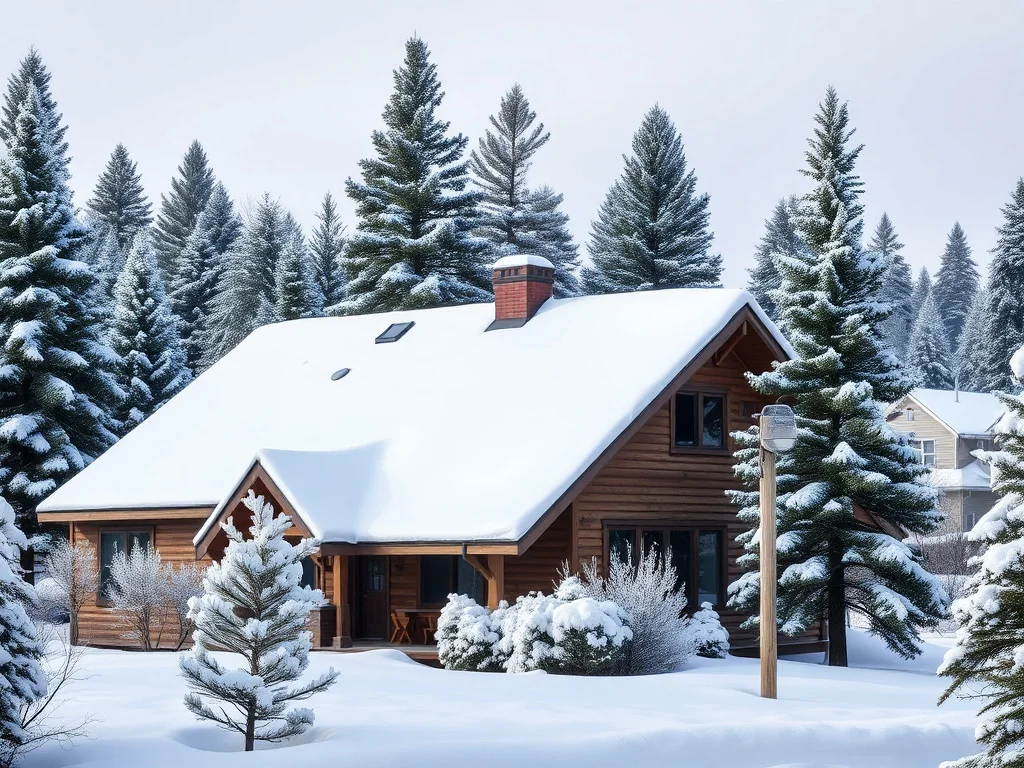
Built for the zone you're actually in — not a generic Southern Utah spec.
Most insulation content aimed at "Southern Utah" treats it as one desert market. It isn't. We build for the zone your home is actually in.
Complete insulation for both halves of Southern Utah
From attic top-ups and spray foam to crawl space encapsulation and commercial metal buildings — click any service to see how it works, what it costs, and how we build it for your climate.
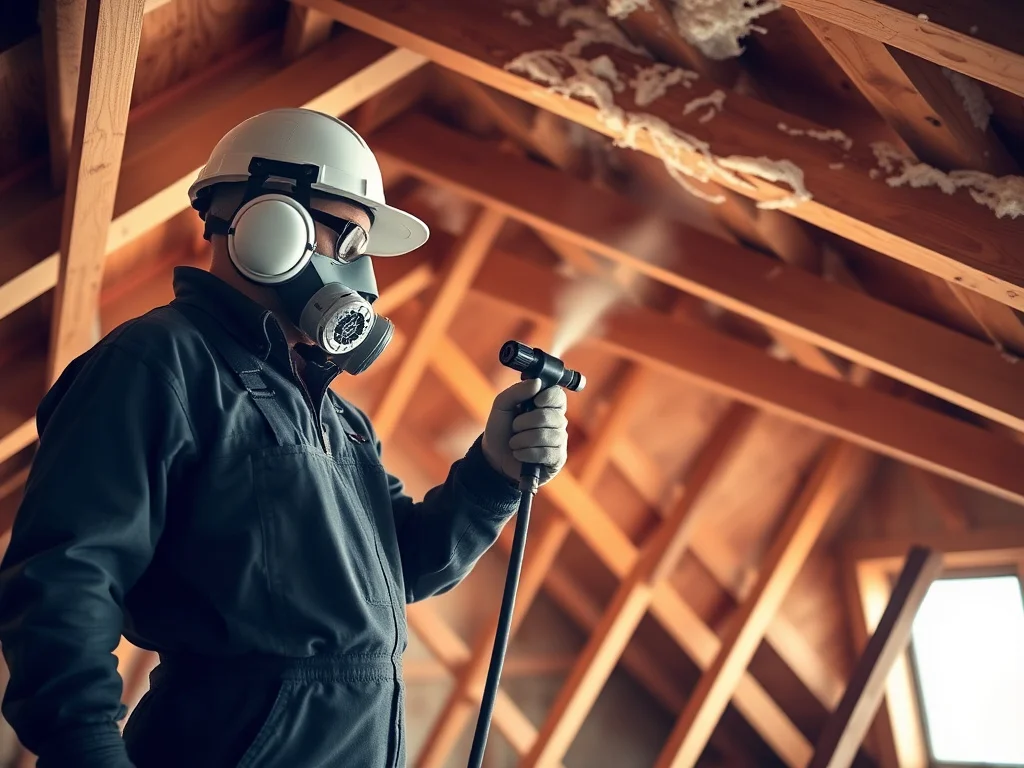
Local specialists who understand both climates.
Built for the St. George corridor's real heat
We insulate for genuine Zone 3B reality — R-38/R-49 attics, sealed envelopes, and monsoon-aware ventilation that stop radiant heat gain and dust infiltration.
Built for Cedar City's real winter
Cedar City and Enoch get a genuinely different spec — higher attic targets and heat-retention detailing, not a diluted desert-corridor package.
Honest rebate guidance
We tell you what's actually current — Rocky Mountain Power's wattsmart program where it applies, and an honest answer on Dixie Power, not an invented number.
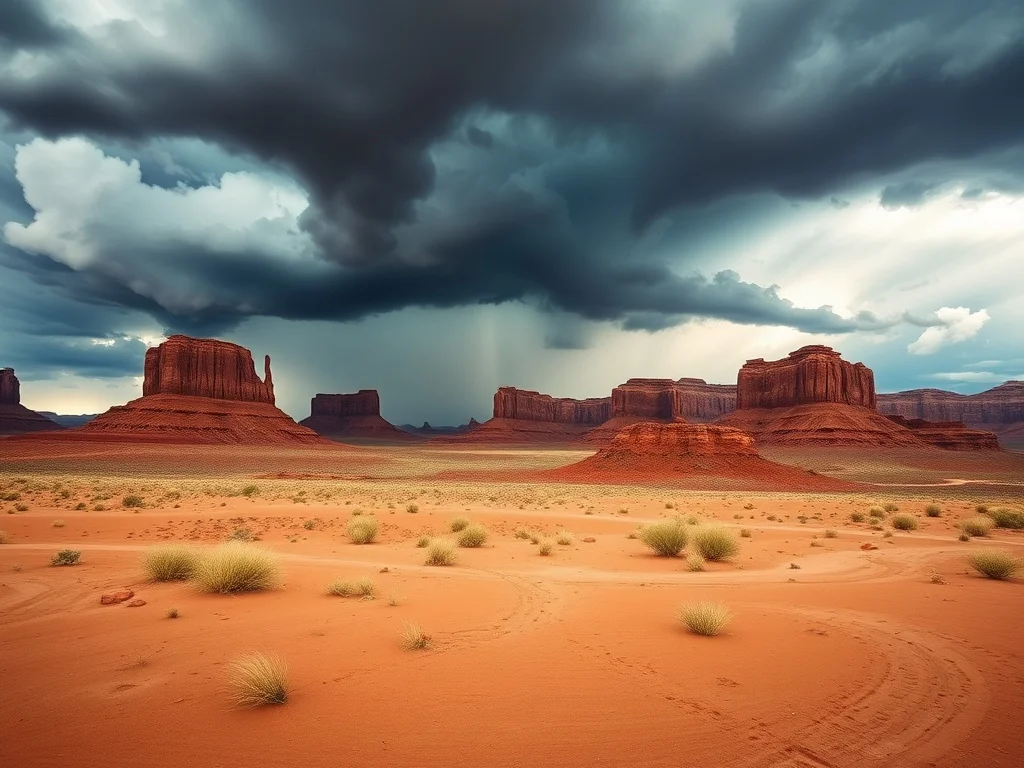
Monsoon dust and roof leaks are a real Southern Utah attic problem.
Southern Utah gets meaningful North American monsoon moisture July through September — real thunderstorms and wind-driven sand that a purely dry desert market never sees. That wind can drive dust straight through poorly sealed soffit and ridge vents, and occasional monsoon-driven roof leaks can soak and damage existing insulation. We inspect for both, every time — a detail almost no other Southern Utah insulation contractor mentions.
Proudly serving Washington & Iron counties
Local crews across the St. George corridor and Cedar City/Enoch — we know these homes and both climates.
From free quote to a comfortable home, year-round
Free assessment & quote
We look at your home, confirm your climate zone and utility provider, and give you a clear, itemized quote — including current rebate guidance.
Expert installation
Our crews air seal, remove old insulation if needed, and install the right system to your target R-value — clean and on schedule.
Documented results
We document before-and-after depth for your records and help you apply for any rebate funding you qualify for. A comfortable home, whichever season it is.
St. George & Cedar City insulation FAQs
No. St. George, Washington City, Hurricane, Santa Clara, and Ivins sit in IECC Climate Zone 3B, a hot-dry, cooling-dominated desert climate. Cedar City and Enoch sit at much higher elevation in a genuinely different, real four-season climate with cold winters and meaningful snow load.
St. George, Washington City, Hurricane, Santa Clara, and Ivins sit in IECC Climate Zone 3B, where code minimum is R-38 for attic insulation, with R-49 commonly recommended for real-world performance against desert heat gain.
Yes, meaningfully. Cedar City sits nearly 3,000 feet higher in a genuine four-season climate with real winter cold and roughly 171 inches of snow a year, calling for insulation built around heat retention rather than the heat-rejection priority that works for the St. George corridor.
It depends on the space and the climate. Spray foam offers the highest R-value per inch plus an air seal — ideal for crawl spaces, rim joists, and garages in both climates. Blown-in is fast and cost-effective for attics. Batts are reliable in open framing for new construction and outbuildings. We design the right combination for your home.
Rocky Mountain Power's wattsmart Home program offers real, confirmed rebates for eligible customers in St. George, Washington City, Santa Clara, Hurricane, and Ivins. Dixie Power, serving rural areas and Iron County including Cedar City and Enoch, has no confirmed dedicated insulation rebate as of this writing — we'll tell you honestly what applies.
We serve the full St. George/Washington County corridor — St. George, Washington City, Hurricane, Santa Clara, Ivins, LaVerkin, and Toquerville — plus Cedar City and Enoch in Iron County.
Get your free Southern Utah insulation estimate
Tell us about your home and we'll put together a clear, no-pressure quote — plus tell you what current Rocky Mountain Power or Dixie Power rebate options may apply.