Insulation Contractor in Cedar City, UT
Iron County's seat at roughly 5,846 feet — a genuinely different, real four-season climate with cold winters and meaningful snow load, not the desert-heat pitch that works for the St. George corridor.
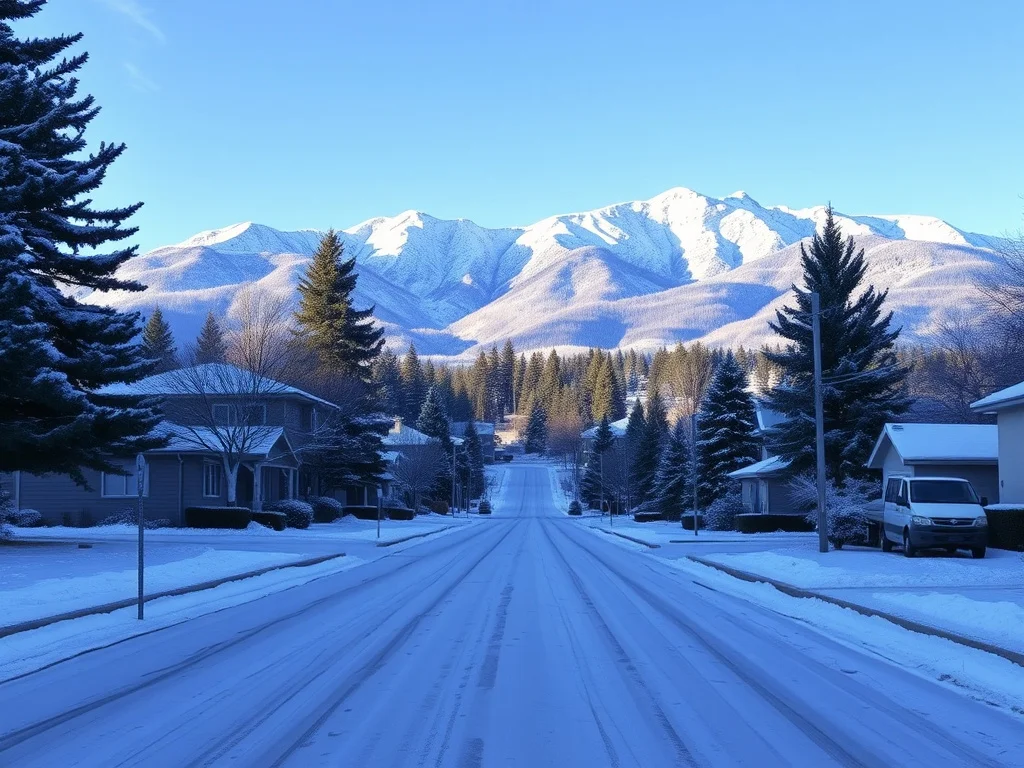
Cedar City is Iron County's seat and sits at roughly 5,846 feet — more than 3,000 feet higher than St. George, and in a genuinely different climate. This is not a desert-heat market: Cedar City sees overnight winter lows in the teens and 20s, roughly 171 inches of snow in an average year, and milder summers with highs typically in the 80s to low 90s. It's a real four-season climate, functionally close to a Zone 5B-equivalent cold-climate designation, not the hot-dry Zone 3B that governs the St. George corridor.
That means insulation messaging and specification here has to flip the priority entirely: instead of keeping desert heat out, the job is holding winter heat in while still managing a milder but real summer comfort load. A contractor who applies the same desert-heat playbook to a Cedar City home is going to under-spec exactly the details — wall R-value, vapor barrier placement, snow-load-aware ventilation — that this climate actually demands.
Utility & rebate note for Cedar City
Dixie Power
Cedar City is largely served by Dixie Power, the member-owned electric cooperative. As of this writing we have not confirmed a dedicated insulation rebate from Dixie Power — they do offer member rebates for smart thermostats and EV chargers. We'll tell you honestly what's currently available rather than promising a figure that isn't confirmed.
Neighborhoods & areas we serve in Cedar City
A real winter, not a mild Southern Utah exception
It's worth stating plainly, because a lot of insulation marketing aimed at 'Southern Utah' gets this wrong: Cedar City is not St. George with slightly cooler summers. At nearly 5,850 feet, Cedar City sits inside a genuine cold-climate weather pattern — January lows regularly in the teens and 20s, roughly 171 inches of snow in a typical year, and a heating season that dominates the home's energy use far more than cooling ever does. The building science here is closer to a mountain-town cold-climate market than to the low-desert St. George corridor just 50 miles south.
What this means for attic, wall, and crawl space insulation
Cedar City attics should be built toward the higher end of the R-49 recommended range or beyond — a meaningfully different target than the St. George corridor's Zone 3B minimum. Wall assemblies need careful attention to vapor-barrier placement on the correct side of the assembly for a heat-retention climate, a detail that matters far more here than in a cooling-dominated desert market. And crawl spaces need real floor insulation and rim-joist sealing to prevent both cold floors and underfloor pipe-freeze risk during a hard winter cold snap.
- Attic insulation built toward the higher end of R-49, not the Zone 3B minimum
- Vapor-barrier placement matters more in a heat-retention climate
- Crawl space and rim-joist insulation protects against cold floors and pipe freeze
- Snow-load-aware attic ventilation to prevent moisture buildup under the roof deck
Cedar City's growth and Southern Utah University
Cedar City continues to grow steadily, anchored by Southern Utah University and a mix of established neighborhoods and newer subdivisions expanding toward Enoch. New construction here needs a genuinely cold-climate-specified insulation package, not a lighter St. George-corridor spec applied out of convenience — a mistake we occasionally find in builders who work both markets without adjusting their standard package.
Cedar City insulation questions, answered
Yes, meaningfully. Cedar City sits nearly 3,000 feet higher in a genuine four-season climate with real winter cold and roughly 171 inches of snow a year, calling for insulation built around heat retention — higher attic R-values and careful vapor-barrier placement — rather than the heat-rejection priority that drives insulation strategy in the St. George corridor.
We typically recommend building toward the higher end of the R-49 attic range or beyond for Cedar City homes, a meaningfully higher target than the St. George corridor's Zone 3B minimum, because the priority here is holding heat in through a real winter.
Yes — an under-insulated, leaky attic lets heat escape and melt roof snow unevenly, which can refreeze at the cold eaves and cause water-intrusion problems similar to an ice dam. Balanced attic insulation and ventilation together address this directly.
We have not confirmed a dedicated insulation rebate from Dixie Power as of this writing. They do offer member rebates for smart thermostats and EV chargers. We'll tell you honestly what's currently available as part of your quote rather than promising something unconfirmed.
Yes — properly specified insulation and air sealing help in both directions, but Cedar City's dominant energy challenge is winter heat retention, since summers here are comparatively mild compared to the St. George corridor.
Popular services in Cedar City
Ready for a free Cedar City insulation estimate?
Tell us about your home and we'll put together a clear, no-pressure quote — plus tell you what current Rocky Mountain Power or Dixie Power rebate options may apply.