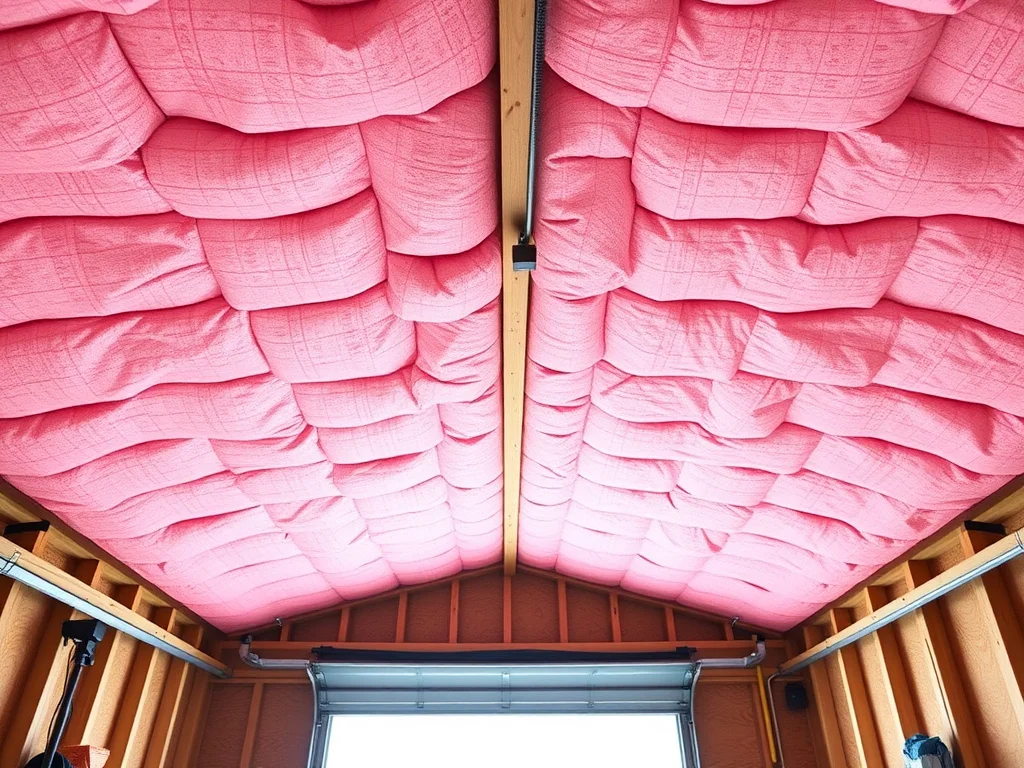
Garage, Shop & Metal Roof Insulation in St. George & Cedar City, UT
Garage ceiling/wall insulation and metal roofing insulation for shops and outbuildings — St. George garages routinely exceed 110–120°F in summer while Cedar City garages and shops get bitterly cold in winter.
St. George, Washington City, and Hurricane garages routinely exceed 110–120°F in summer and radiate that heat into adjacent rooms, making a garage-adjacent bedroom or home gym miserable through the hottest months. Cedar City and Enoch garages and detached shops get bitterly cold in winter instead, making them unusable workspace without real insulation. Both problems have the same fix, applied in opposite directions: properly insulated garage ceilings, walls, and metal roofing.
This service covers garage ceiling and wall insulation for attached and detached garages, plus metal roof insulation common on shops and outbuildings region-wide — a genuinely popular upgrade given Southern Utah's strong garage-gym and RV-garage conversion culture.
Why homeowners choose it
- Stops 110–120°F St. George garage heat from radiating into adjacent living space
- Keeps Cedar City and Enoch garages and shops workable through winter
- Improves comfort for garage-gym, workshop, and RV-garage conversions
- Reduces condensation on metal roofing common on shops and outbuildings
- A cost-effective, high-impact upgrade compared to whole-home projects
- Batt, blown-in, or spray foam matched to the structure and climate
Garage ceiling and wall insulation for St. George-area heat
An uninsulated or under-insulated garage ceiling lets a 110–120°F attic-adjacent space radiate heat directly into anything sharing a wall or ceiling with it — often a bedroom, laundry room, or home office. We insulate garage ceilings (matching the adjoining attic's R-value target) and walls (batt or blown-in dense-pack, depending on framing access) to cut that heat transfer at the source, plus weatherstrip and seal the garage door and man-door for a genuinely tighter envelope.
How garage & shop insulation works, start to finish
Free assessment
We inspect your home or building, measure existing R-value, and confirm your climate zone and current rebate options.
Custom plan & itemized quote
A clear, honest scope — the right material in each area, built to your climate's actual R-value target.
Clean, professional install
Our crews prep, air seal, and install to your target R-value, on schedule and with the site protected.
Documentation & rebate help
We verify the finished work, document before-and-after depth, and help file current rebate paperwork.

A St. George garage at 110–120°F and a Cedar City shop at freezing both need the same fix in opposite directions — properly insulated ceilings, walls, and metal roofing built for the climate the structure actually sits in.
Cedar City and Enoch: the opposite problem, the same fix
A detached shop or garage in Cedar City or Enoch faces the reverse issue — bitter cold that makes the space unusable as a workshop or hobby space through winter. The same materials (batt, blown-in, or spray foam for tighter framing) applied to ceiling and walls hold heat in instead of keeping it out, and we can pair it with basic space-heating guidance for shops that get regular use.
- Garage ceiling insulation matched to the adjoining attic's R-value target
- Wall insulation via batt or dense-pack blown-in
- Garage door and man-door weatherstripping for a complete seal
- Spray foam for detached shops with tighter framing or metal skin
Metal roof and outbuilding insulation region-wide
Metal roofing on shops, RV garages, and outbuildings across Southern Utah conducts both summer heat and winter cold directly, and is prone to interior condensation as temperatures swing — worse in Cedar City's colder, more variable climate. We insulate directly against metal roof decking with faced batt or spray foam, which controls both temperature and the condensation that can otherwise damage stored equipment or vehicles.
Ideal for
- St. George-area homes with a bedroom or living space adjacent to a hot garage
- Garage-gym, home-office, or RV-garage conversion projects
- Cedar City and Enoch detached shops used as year-round workspace
- Metal roof outbuildings needing condensation control
- Anyone tired of a garage that's unusable for half the year
What affects the cost
Garage & Shop Insulation questions, answered
It depends on the size of the space, whether it's attached or detached, and the material used. Garage ceiling and wall insulation is generally a cost-effective, high-impact upgrade compared to a whole-home project — we provide a clear quote after seeing the specific space.
Yes, significantly in most cases. A St. George garage radiating 110–120°F heat into an adjoining bedroom or laundry room is a common, fixable problem once the shared ceiling or wall is properly insulated to match the rest of the home's envelope.
Yes — detached shops, RV garages, and outbuildings are a regular part of this service, especially around Cedar City and Enoch where a workable year-round shop space genuinely depends on proper insulation.
Bare metal roofing and walls conduct cold directly with very little resistance. Insulating against the metal skin — faced batt or spray foam — is what actually stops that heat loss; a space heater alone is fighting a losing battle against an uninsulated metal building.
Related services
Ready for a free garage & shop insulation estimate?
Tell us about your home and we'll put together a clear, no-pressure quote — plus tell you what current Rocky Mountain Power or Dixie Power rebate options may apply.