Insulation Removal & Attic Cleanout in St. George & Cedar City, UT
Safe removal of old, rodent- or bird-contaminated, wind/dust-infiltrated, or monsoon-water-damaged insulation, followed by sanitizing and professional re-insulation.
Not every attic problem is solved by adding more insulation on top of what's already there. Old, rodent- or bird-contaminated, wind/dust-infiltrated, or monsoon-water-damaged insulation needs to come out before a re-insulation project can actually perform — covering over a problem instead of removing it is one of the most common mistakes we see in the region.
Wind-driven dust and occasional monsoon roof leaks are a distinct regional trigger for this service that most competitor sites never mention: Southern Utah's July–September monsoon season brings real thunderstorm activity and wind-blown sand that can infiltrate poorly sealed attics and, in some cases, contribute to roof leaks that soak and ruin existing insulation.
Why homeowners choose it
- Removes contaminated or damaged material instead of covering it up
- Addresses rodent, bird, or pest contamination at the source
- Clears monsoon-driven dust and water damage before it spreads
- Prepares the attic for a fresh, properly air-sealed re-insulation
- Improves indoor air quality by removing degraded material
- Documented before-and-after condition for any applicable rebate paperwork
When removal is actually necessary — and when it isn't
We inspect first and only recommend removal when it's genuinely needed. If existing insulation is dry, clean, and simply thin, a top-up is the more cost-effective path — see our attic and blown-in insulation services. Removal is the right call when insulation is wet or water-stained from a monsoon-season roof leak, visibly contaminated by rodent or bird activity, compressed and no longer performing, or so unevenly distributed by decades of attic access and repairs that a fresh start is genuinely the better investment.
How insulation removal & attic cleanout works, start to finish
Free assessment
We inspect your home or building, measure existing R-value, and confirm your climate zone and current rebate options.
Custom plan & itemized quote
A clear, honest scope — the right material in each area, built to your climate's actual R-value target.
Clean, professional install
Our crews prep, air seal, and install to your target R-value, on schedule and with the site protected.
Documentation & rebate help
We verify the finished work, document before-and-after depth, and help file current rebate paperwork.

Southern Utah's July–September monsoon season is a genuine, region-specific reason attic insulation gets damaged here in ways a purely dry desert market never sees — wind-driven dust infiltration and occasional roof-leak water damage. We inspect for it rather than assume every attic just needs a top-up.
The monsoon and wind-driven dust connection
Southern Utah gets meaningful North American monsoon moisture July through September — real thunderstorms and wind-driven dust and sand that most purely dry desert markets never see. That wind can drive fine dust straight through poorly sealed soffit and ridge vents into an attic, and occasional monsoon-associated roof leaks can soak insulation directly. Both are a real, regional reason attic insulation degrades faster here than a simple age estimate would suggest — and a reason to actually inspect rather than assume your attic's insulation is fine just because it looks intact from the hatch.
A clean, professional removal process
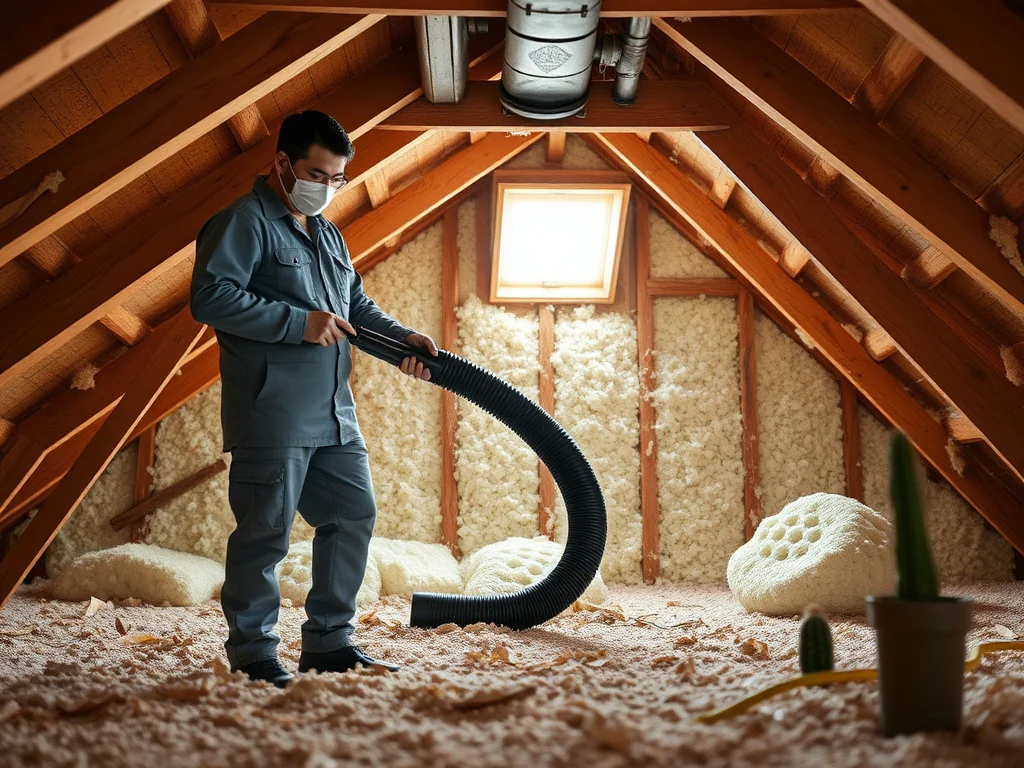
Our crews contain the work area, use commercial-grade vacuum equipment to remove old material without spreading dust or contamination into the living space, sanitize the area where contamination was present, and inspect the attic deck and framing for any damage that needs to be addressed before new insulation goes in. Once the attic is clean and dry, we move directly into air sealing and re-insulation so the same problem doesn't recur.
Ideal for
- Attics with visible rodent or bird contamination
- Homes with a recent monsoon-season roof leak or storm damage
- Older St. George and Washington County attics with decades-old, degraded insulation
- Anyone buying a home with an unknown or visibly poor attic condition
- Cedar City homes with insulation compressed or damaged by past moisture or ice-adjacent issues
What affects the cost
Insulation Removal & Attic Cleanout questions, answered
Yes — wind-driven monsoon dust and occasional roof leaks can both degrade attic insulation in ways that make a simple top-up ineffective. Signs it's time for removal rather than a top-up include visible water staining, a musty odor, matted or compressed material, or any sign of rodent or bird activity. We inspect and give you an honest recommendation either way.
It depends on attic size, the type and extent of contamination or damage, and whether re-insulation is bundled in. We provide a clear, itemized quote after inspecting your specific attic — we don't recommend removal unless it's genuinely needed.
We don't recommend it. Proper removal requires containment, commercial vacuum equipment, and sanitizing to actually solve the problem rather than spreading contaminated material or dust into the living space. It's exactly the kind of job where professional equipment and experience matter.
We handle the insulation removal and re-insulation; for roof repair itself, we can refer you to a trusted roofing partner if the leak hasn't already been addressed. We always recommend fixing the source of water intrusion before re-insulating.
Related services
Ready for a free insulation removal & attic cleanout estimate?
Tell us about your home and we'll put together a clear, no-pressure quote — plus tell you what current Rocky Mountain Power or Dixie Power rebate options may apply.