Two Climates, One Attic Problem: Why St. George and Cedar City Homes Both Need Better Insulation (Just Not the Same Kind)
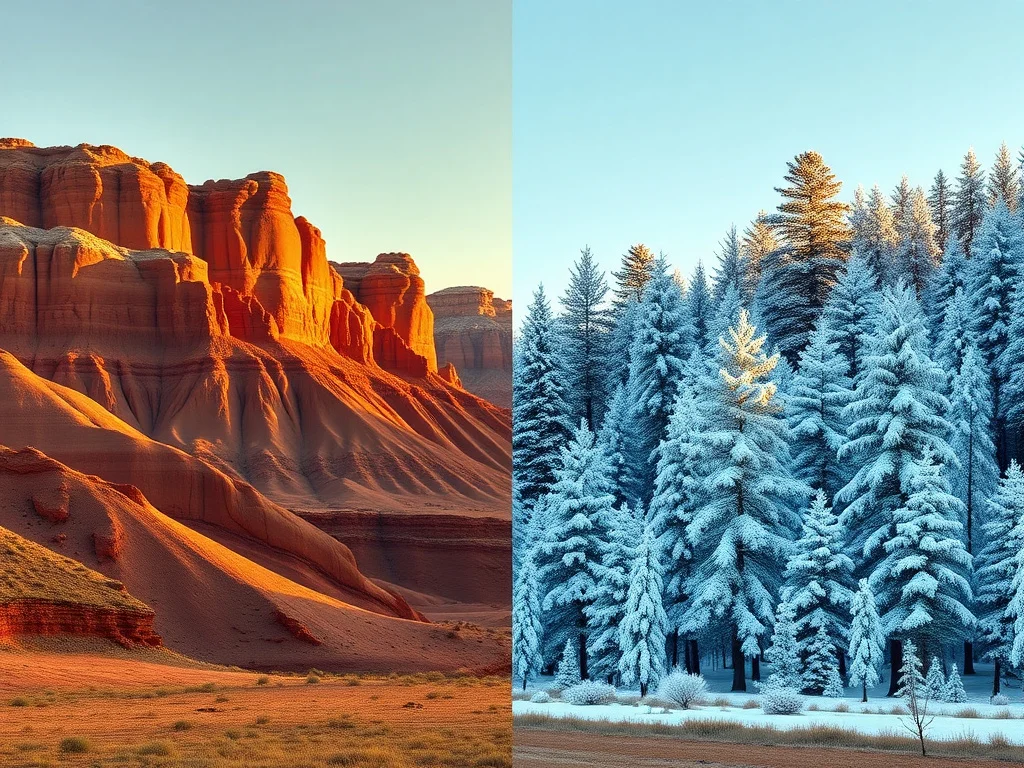
If you've ever compared notes with a friend in Cedar City about your home's insulation, you've probably noticed something odd: their problem sounds nothing like yours. You're fighting a 130°F attic and a Rocky Mountain Power bill that spikes every July. They're fighting drafty rooms, a furnace that runs constantly, and real snow load on the roof every winter. Both of you live in "Southern Utah." Both of your homes genuinely need better insulation. And almost no insulation content written for this region actually explains why those are two different problems with two different fixes.
That's what this guide is for. We serve the entire region — St. George, Washington City, Hurricane, Santa Clara, Ivins, LaVerkin, and Toquerville on the hot-desert side, and Cedar City and Enoch on the real four-season side — and we've built this guide to walk through exactly why these two halves of our service area need genuinely different insulation strategies, what the science actually says, and which of our services solves which problem. By the end, you'll understand your own home's climate zone better than most contractors who show up at your door.
Southern Utah is not one climate — it's two
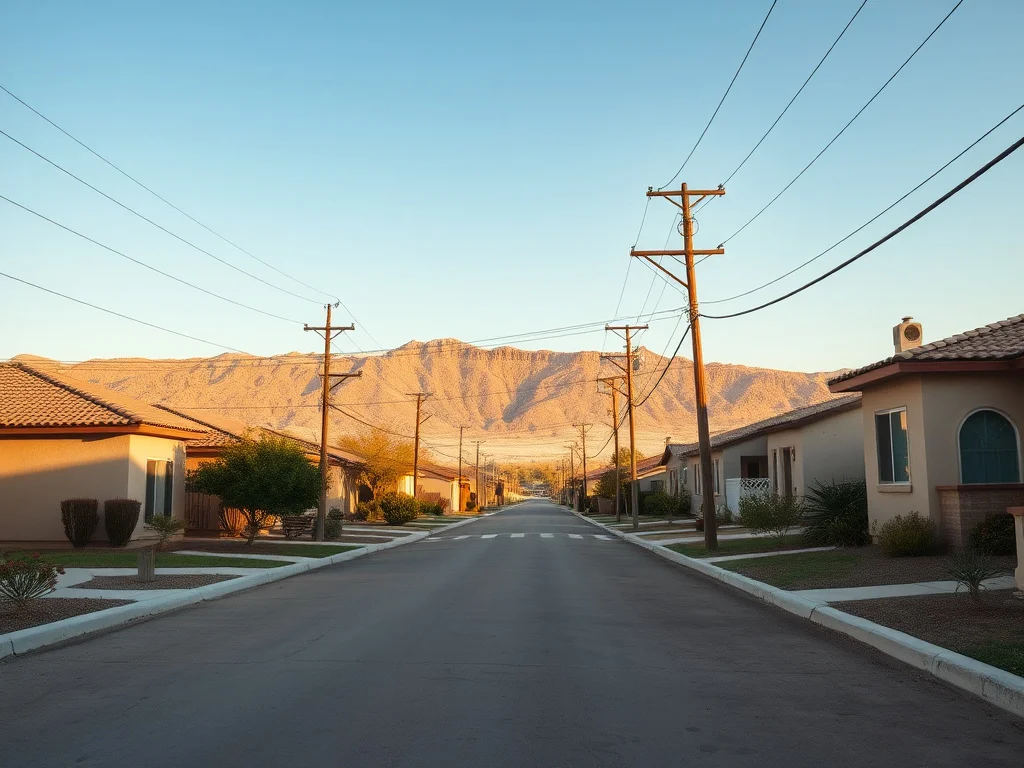
St. George, Washington City, Hurricane, Santa Clara, and Ivins sit in Washington County at roughly 2,200 to 2,900 feet elevation, and they fall squarely into IECC Climate Zone 3B — a hot-dry, cooling-dominated climate functionally similar to Phoenix, Arizona, though slightly milder and with real, if brief, winter cold snaps. Summer highs regularly exceed 100–105°F, and an under-sealed attic in this corridor can reach 130–150°F on a July afternoon. Southern Utah also gets meaningful North American monsoon moisture from July through September — real thunderstorms and wind-driven dust that matter for attic ventilation in a way a purely dry desert market like inland Phoenix doesn't experience in the same way.
Cedar City and Enoch, roughly 30 minutes north in Iron County, sit at approximately 5,846 feet — more than 3,000 feet higher than St. George. That elevation difference is the whole story: Cedar City is a genuinely different climate, with winter overnight lows regularly in the teens and 20s, roughly 171 inches of snow in an average year, and comparatively mild summers with highs typically in the 80s to low 90s. This is a real four-season mountain climate, functionally close to a Zone 5B-equivalent cold-climate designation — not desert-hot like the rest of the region.
The physics: heat gain vs. heat loss are opposite problems
Insulation doesn't have a single job — it has two, and which one matters most depends entirely on which direction heat is trying to move through your home.
St. George corridor: keeping heat OUT
In a hot-desert climate, the sun heats your roof deck to well over 150°F at the surface on a summer afternoon. That heat conducts through the roof sheathing into the attic space, and from there, into your living space below — unless insulation and air sealing stop it first. The entire insulation strategy in St. George, Washington City, Hurricane, Santa Clara, and Ivins is built around radiant heat rejection: keeping that attic heat from ever reaching your ceiling, so your air conditioning isn't fighting a losing battle all summer.
Cedar City: keeping heat IN
In Cedar City's real winter, the problem runs the other direction. Your furnace generates heat that wants to escape upward and outward through any weak point in the building envelope — an under-insulated attic, gaps around can lights and top plates, an uninsulated rim joist. Every BTU that escapes is a BTU you paid for and never felt, and in a climate with genuine snow load, escaping attic heat can also melt roof snow unevenly, creating water-intrusion problems at the cold eaves similar to an ice dam.
Same building science, opposite direction. That's why the fix has to be specified per climate, not applied as a single regional template.
R-values and Utah's energy code, by zone
The IECC (International Energy Conservation Code) sets recommended insulation levels by climate zone, and Utah's energy code reflects that same zone-based logic.
- St. George, Washington City, Hurricane, Santa Clara, Ivins, LaVerkin, and Toquerville (Zone 3B): R-38 minimum attic insulation, R-49 commonly recommended for real-world performance against desert heat gain.
- Cedar City and Enoch (5B-equivalent): a meaningfully higher target — typically the upper end of the R-49 range or beyond — because the priority is winter heat retention, not summer heat rejection.
- Wall assemblies: Zone 3B walls are specified primarily to manage heat gain; a genuine cold-climate wall assembly in Cedar City needs more careful vapor-barrier placement to avoid trapping moisture through a long heating season.
- Crawl spaces and floors: both halves of the region benefit from floor insulation and rim-joist sealing, but the consequence of skipping it differs — energy loss and dust infiltration in the St. George corridor, cold floors and pipe-freeze risk in Cedar City.
Why your house feels the way it does — St. George edition
If you're in St. George, Washington City, Hurricane, Santa Clara, or Ivins and your upstairs never quite cools down even with the AC running hard, the answer is almost always some combination of: an under-insulated attic letting radiant heat pour through the roof deck, unsealed air leaks around can lights and top plates letting hot attic air infiltrate the living space, and — a genuinely regional factor — July–September monsoon-driven wind and dust finding its way through poorly sealed soffit and ridge vents. A proper assessment checks all three, not just insulation depth.
There's also a subtler mechanism worth understanding: insulation and air sealing solve two different problems. Insulation slows heat conduction through a solid material like an attic floor. Air sealing stops the physical movement of hot air into the house through gaps you often can't even see. A St. George home can have decent insulation and still run hot if it's leaky, which is why we treat air sealing as step one of nearly every project, before adding a single inch of new insulation.
Why your house feels the way it does — Cedar City edition
If you're in Cedar City or Enoch and your rooms feel cold and drafty even with the furnace running, the cause is the mirror image: an under-insulated attic letting furnace heat escape upward, unsealed leaks letting warm air out and cold air in, and — in homes with a real crawl space — an uninsulated floor system chilling the rooms above from below. Because Cedar City sees genuine snow load, uneven attic heat loss can also contribute to water-intrusion problems at the roof edge as snow melts unevenly and refreezes.
The fix mirrors St. George's, just aimed the other way: air seal first, then insulate to a genuinely cold-climate target, with attention to balanced attic ventilation so moisture doesn't build up under the roof deck through a long, snowy winter.
The monsoon and dust factor — a genuine St. George-corridor differentiator
Southern Utah's July–September monsoon season brings real thunderstorm activity and wind-driven dust and sand — a regional detail that's distinct from both a humid climate and a purely dry desert market like inland Phoenix. That wind can drive fine dust through poorly sealed soffit and ridge vents into an attic, and occasional monsoon-associated roof leaks can soak and damage existing insulation directly. This is a real, underappreciated reason attic insulation in the St. George corridor degrades faster than a simple age estimate would suggest, and it's a factor almost no competitor site in this market discusses.
Every service, mapped to the problem it solves
Here's how our full service lineup maps onto both halves of the region's dual-climate reality:
- Attic insulation — the highest-impact fix in both climates, built to R-38/R-49 in the St. George corridor and toward the higher end of R-49+ in Cedar City.
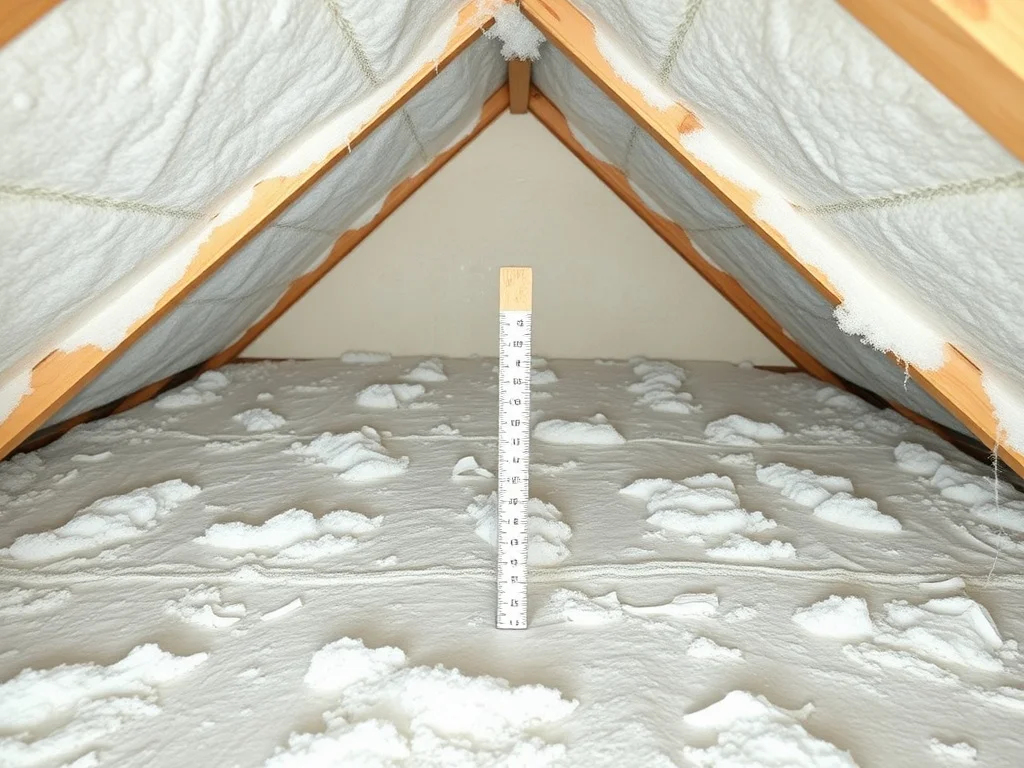
- Spray foam insulation — highest R-value per inch and a built-in air seal; blocks desert heat gain at rooflines and rim joists in Washington County, and holds winter heat in the same spaces around Cedar City.
- Blown-in attic insulation — the fastest, most cost-effective way to reach the right target for either climate across a standard attic floor.
- Crawl space insulation & encapsulation — stops energy loss and dust infiltration region-wide, and directly prevents cold floors and pipe-freeze risk in Cedar City.
- Insulation removal & attic cleanout — addresses monsoon-water-damaged or contaminated insulation in the St. George corridor before any re-insulation project.
- New construction insulation — specified per climate zone for builders active in the St. George/Washington/Hurricane growth corridor and Cedar City/Enoch subdivisions.
- Commercial & metal building insulation — retail and hospitality retrofits in the St. George tourism corridor; condensation-control metal building insulation around Cedar City/Iron County's agricultural buildings.
- Energy audits & rebate assistance — confirms which utility serves your home and what Rocky Mountain Power or Dixie Power programs actually apply.
- Garage & shop insulation — stops 110–120°F St. George garage heat radiating into living space, and keeps Cedar City shops workable through winter.
Rebates: a genuinely regional, three-utility picture
Southern Utah's utility landscape is more complex than a single-provider market like Phoenix. Rocky Mountain Power serves St. George, Washington City, Santa Clara, Hurricane, and Ivins customers who qualify for the wattsmart Home insulation rebate — a real, confirmed program with per-square-foot dollar amounts for attic, wall, and floor insulation, plus an income-qualified free weatherization track. Dixie Power, a member-owned cooperative, serves rural St. George-area communities and much of Iron County including Cedar City and Enoch; as of this writing we have not confirmed a dedicated insulation rebate from Dixie Power, though they do offer member rebates for smart thermostats and EV chargers. We verify your specific utility and current program status before ever promising a number.
The bottom line
St. George and Cedar City are both genuinely part of "Southern Utah," and both genuinely need better insulation — but the reasons, the targets, and the right materials are close to opposite. A St. George home needs to reject brutal desert heat gain and manage monsoon-season dust; a Cedar City home needs to retain real winter heat through a genuine snow-load climate. We build every project — service selection, R-value target, material choice, and rebate guidance — around which of those two problems your specific home actually has, not a one-size-fits-all regional script.
Whichever side of the region you're in, the process starts the same way: a real assessment of your attic, crawl space, and air-sealing condition, an honest recommendation based on what we actually find, and a clear quote with current rebate guidance built in. Call 844-967-5247 to get started.
Frequently asked questions
No. St. George, Washington City, Hurricane, Santa Clara, and Ivins sit in IECC Climate Zone 3B, a hot-dry, cooling-dominated desert climate. Cedar City and Enoch sit at much higher elevation in a genuinely different, real four-season climate with cold winters and meaningful snow load, closer to a Zone 5B-equivalent designation.
Zone 3B calls for R-38 minimum attic insulation, with R-49 commonly recommended for real-world performance against desert heat gain. Many existing homes fall well short of that.
We typically recommend building toward the higher end of the R-49 range or beyond for Cedar City and Enoch homes, since the priority there is holding winter heat in through a genuine four-season climate, not just rejecting summer heat.
Yes — wind-driven monsoon dust can infiltrate through poorly sealed soffit and ridge vents, and occasional monsoon-associated roof leaks can soak and damage existing insulation. It's a real, regional factor most competitor sites never mention.
Ready for a free quote?
Tell us about your property and we'll build a clear quote — current rebates included.