Spray Foam vs. Blown-In Insulation: Which Is Right for Your St. George or Cedar City Home?
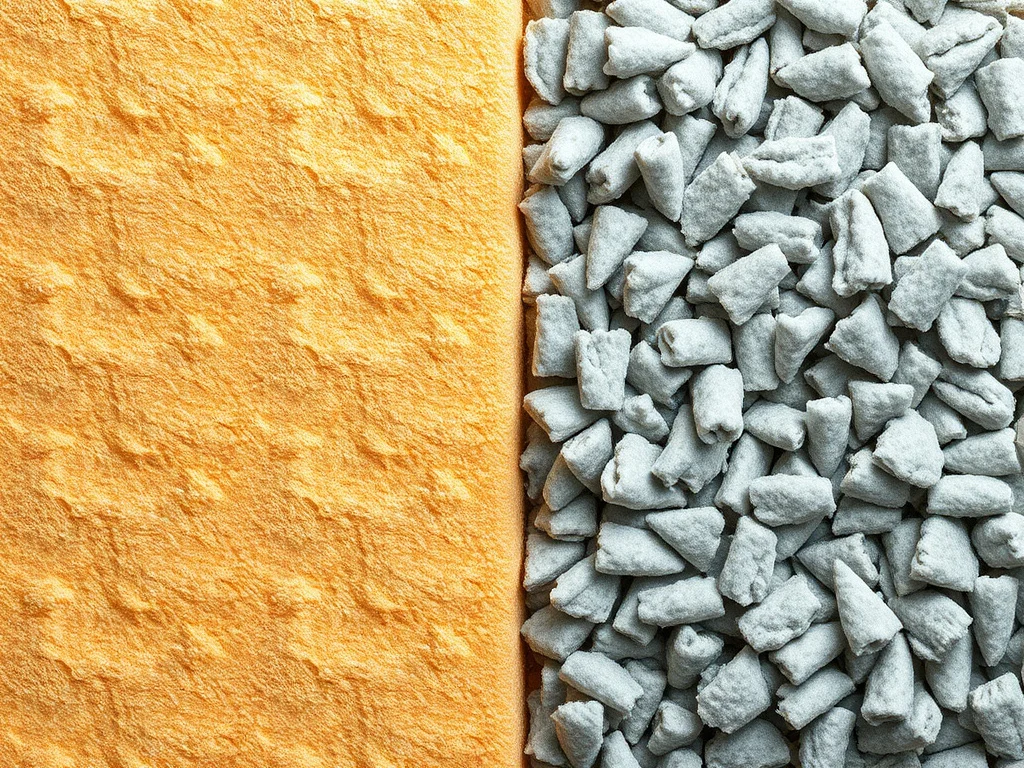
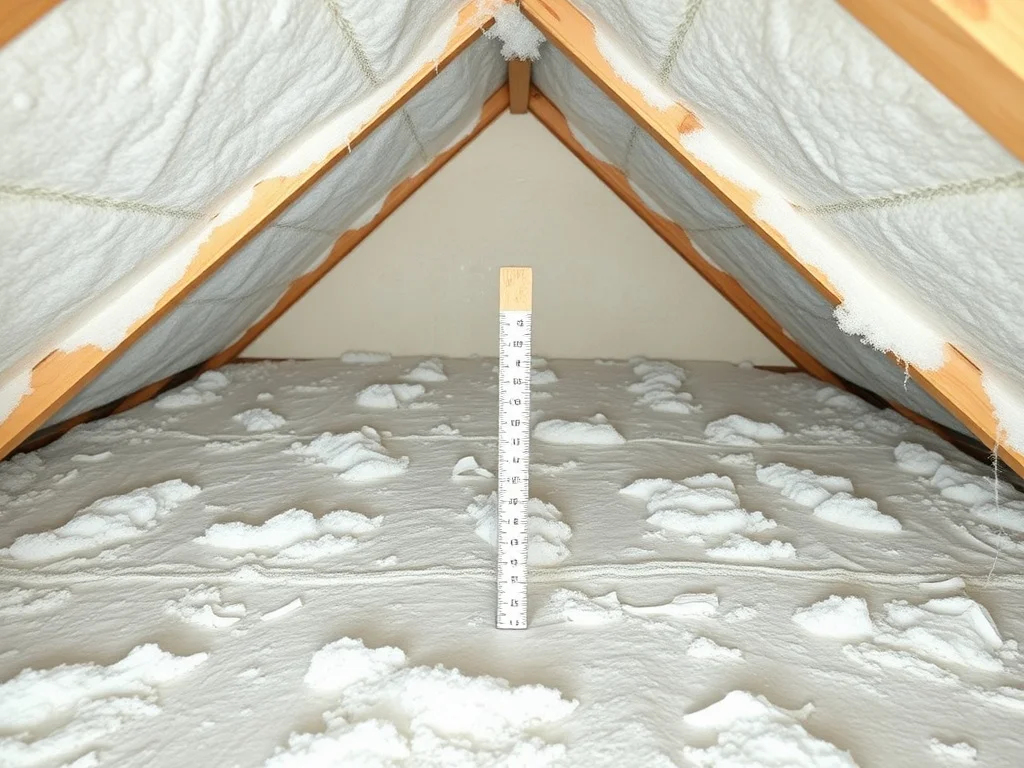
Spray foam and blown-in insulation are the two materials Southern Utah homeowners ask us to compare most, and the honest answer is that each is genuinely best at something different — and which one deserves the bigger share of your budget depends partly on whether you're insulating against St. George's desert heat or Cedar City's real winter.
Spray foam: the highest-performance option, either direction
Spray foam expands to fill every gap and crack it touches, delivering the highest R-value per inch of any common insulation material while air-sealing at the same time. In the St. George corridor, that combination is what actually stops radiant desert heat gain at rim joists, garage ceilings, and vaulted rooflines. In Cedar City, the identical product does the reverse job just as well — sealing the envelope so winter heat can't escape through the same spaces.
It comes in two forms: open-cell foam is lighter, expands more, and offers a cost-effective air seal for interior walls and ceilings. Closed-cell foam is denser, delivers a higher R-value per inch, adds real structural rigidity, and acts as a moisture barrier — which matters more in Cedar City's snow-load climate than in the dry St. George corridor, though Southern Utah's monsoon season gives closed-cell's moisture resistance real value in Washington County too.
Blown-in: fast, even, and cost-effective for attics in either climate
Blown-in loose-fill — cellulose or fiberglass — is the workhorse of attic insulation region-wide. Blown through a hose, it fills the attic floor evenly, flowing around wiring, plumbing, and irregular framing to eliminate the gaps a rigid batt would leave. For reaching the St. George corridor's R-49 recommended target or Cedar City's higher cold-climate target across a standard attic floor, blown-in is fast, cost-effective, and genuinely hard to beat.
Cellulose is made largely from recycled paper, packs densely, and is particularly good at slowing wind-driven air movement — a real advantage against Southern Utah's monsoon-season winds. Fiberglass loose-fill is lighter and resists moisture well, with somewhat less settling over time. Both comfortably reach either climate's target R-value.
A direct comparison
- Highest R-value per inch: closed-cell spray foam.
- Best built-in air seal: spray foam (blown-in needs a separate air-sealing pass first).
- Best value for a standard attic floor in either climate: blown-in.
- Best for rim joists, garages, and vaulted ceilings: closed-cell spray foam.
- Best moisture control for Cedar City crawl spaces and rooflines: closed-cell spray foam.
- Fastest, least disruptive install for a large attic: blown-in.
Where each one wins in a St. George-corridor home
A typical, well-designed St. George-area project blows in cellulose or fiberglass across the attic floor to R-49 after air sealing it, uses closed-cell spray foam at rim joists and any crawl space walls, and specifies foam again at a garage ceiling or vaulted roofline where framing depth is limited or heat radiation into adjacent living space is the priority. That combination reaches Zone 3B's targets efficiently without overspending on foam where blown-in performs just as well.
Where each one wins in a Cedar City home
A typical Cedar City project follows a similar pattern aimed the other way: blown-in across the attic floor to a higher, cold-climate-appropriate target, spray foam at crawl space walls and rim joists for its moisture-barrier performance against snow-melt and condensation risk, and foam again at any vaulted or shallow-framing rooflines.
So which should you choose?
Don't choose one insulation type for your whole home — choose the right one for each part of it, specified for the climate you're actually in. A typical Southern Utah upgrade air-seals and blows in the attic to the recommended target, spray-foams a leaky rim joist or crawl space, and uses the material that fits best in any new addition, garage, or outbuilding. We assess your specific home and design that combination, then explain exactly why each choice makes sense for your project, your budget, and your climate. Call 844-967-5247 for a free assessment.
Frequently asked questions
No. Spray foam has the highest R-value per inch and air-seals as it insulates, which makes it ideal for rim joists, crawl spaces, garages, and vaulted ceilings in both climates. But for a standard attic floor, blown-in with proper air sealing usually delivers comparable comfort and savings for meaningfully less money.
For crawl spaces, rim joists, garages, and vaulted ceilings, yes — spray foam's combined R-value and air seal earns its premium in both the St. George desert corridor and Cedar City's colder climate. For a standard attic floor, blown-in usually delivers comparable performance for less.
The materials themselves work the same way in both climates — the difference is the target R-value (Cedar City generally needs more depth) and how much weight to put on closed-cell foam's moisture-barrier performance, which matters more in Cedar City's snow-load climate.
Ready for a free quote?
Tell us about your property and we'll build a clear quote — current rebates included.